Kitchen Extract Cleaning Company
Canopy, duct and fan cleaning on a 3, 6 or 12 month cycle set by your cooking hours, with the certificate your insurer asks for.
Get a price for your kitchen
Received. Here is the order of things.
- An email arrives naming the extract cleaning firm we have lined up for your postcode.
- Reply yes and your contact details go across to it; reply no and they stay put.
- Ask the firm for a survey outside service hours and a written price for the whole system.
Which part of the system needs cleaning?
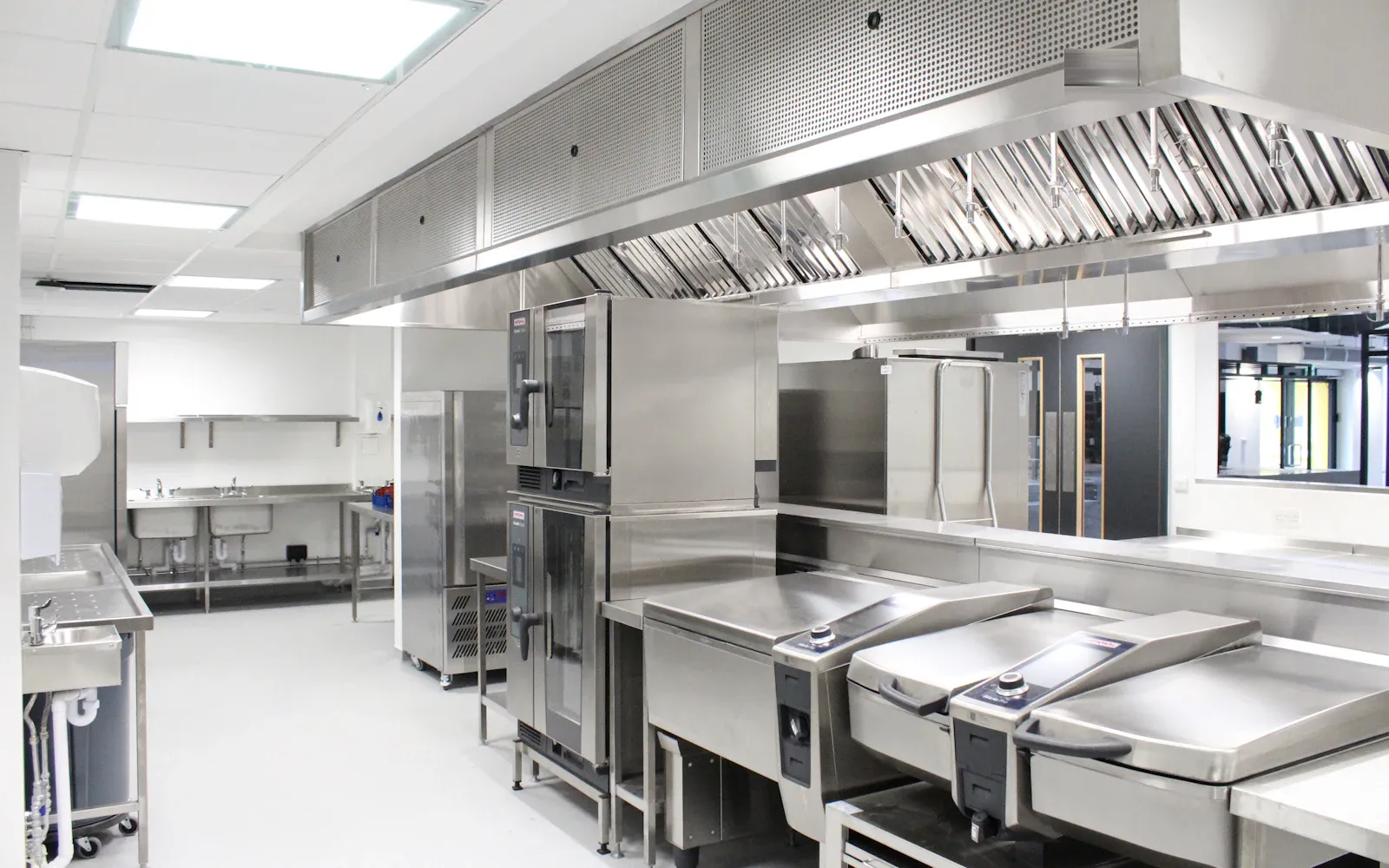
 Canopy cleaningThe hood, its baffle filters, grease troughs and the plenum behind them, degreased back to bare metal.
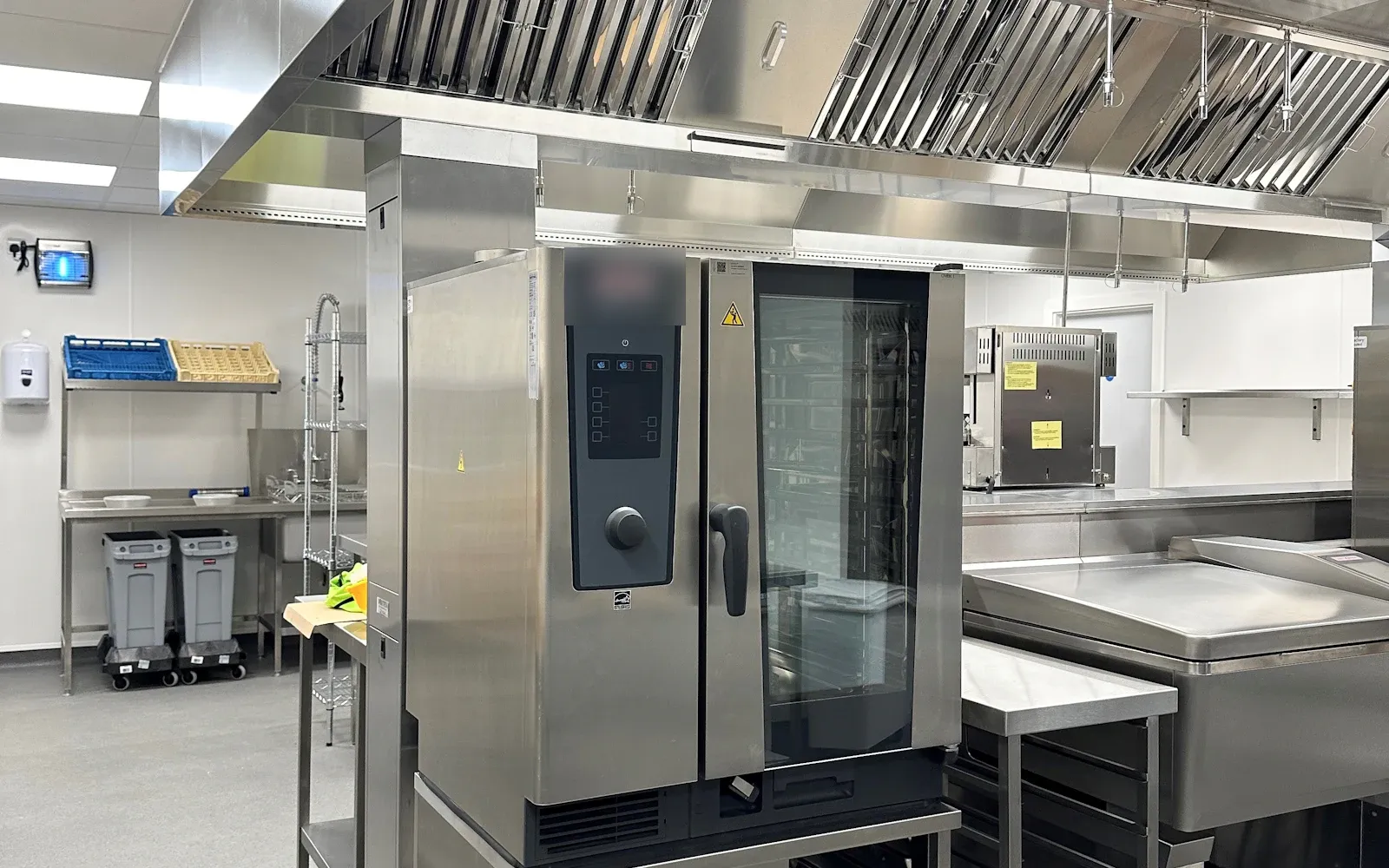
 Duct cleaningThe hidden part: every metre of ductwork from the canopy to where the air leaves the building.
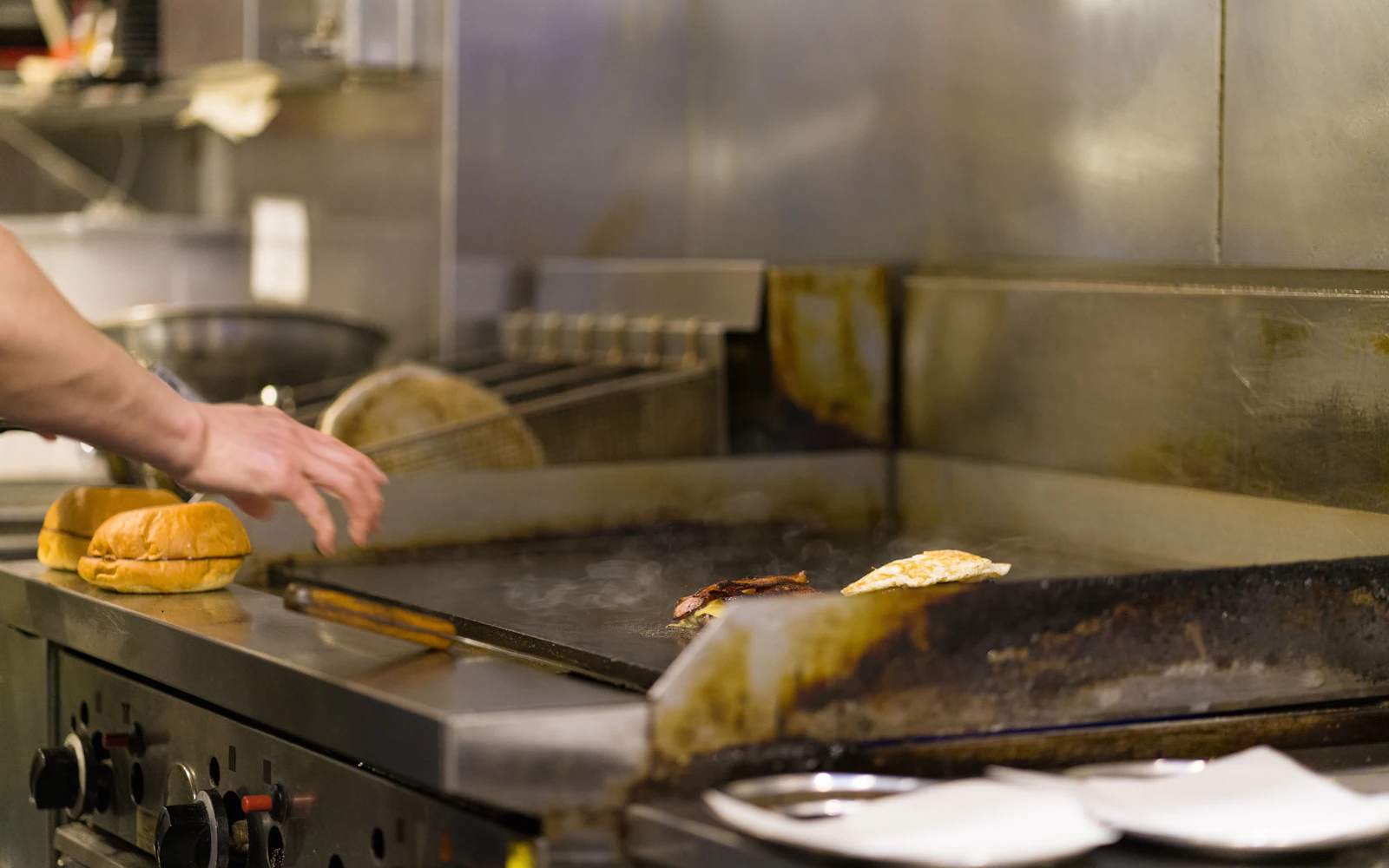
 Fan and filter cleaningThe extract fan, its housing and impeller, and the filter swaps that keep grease out of the duct.
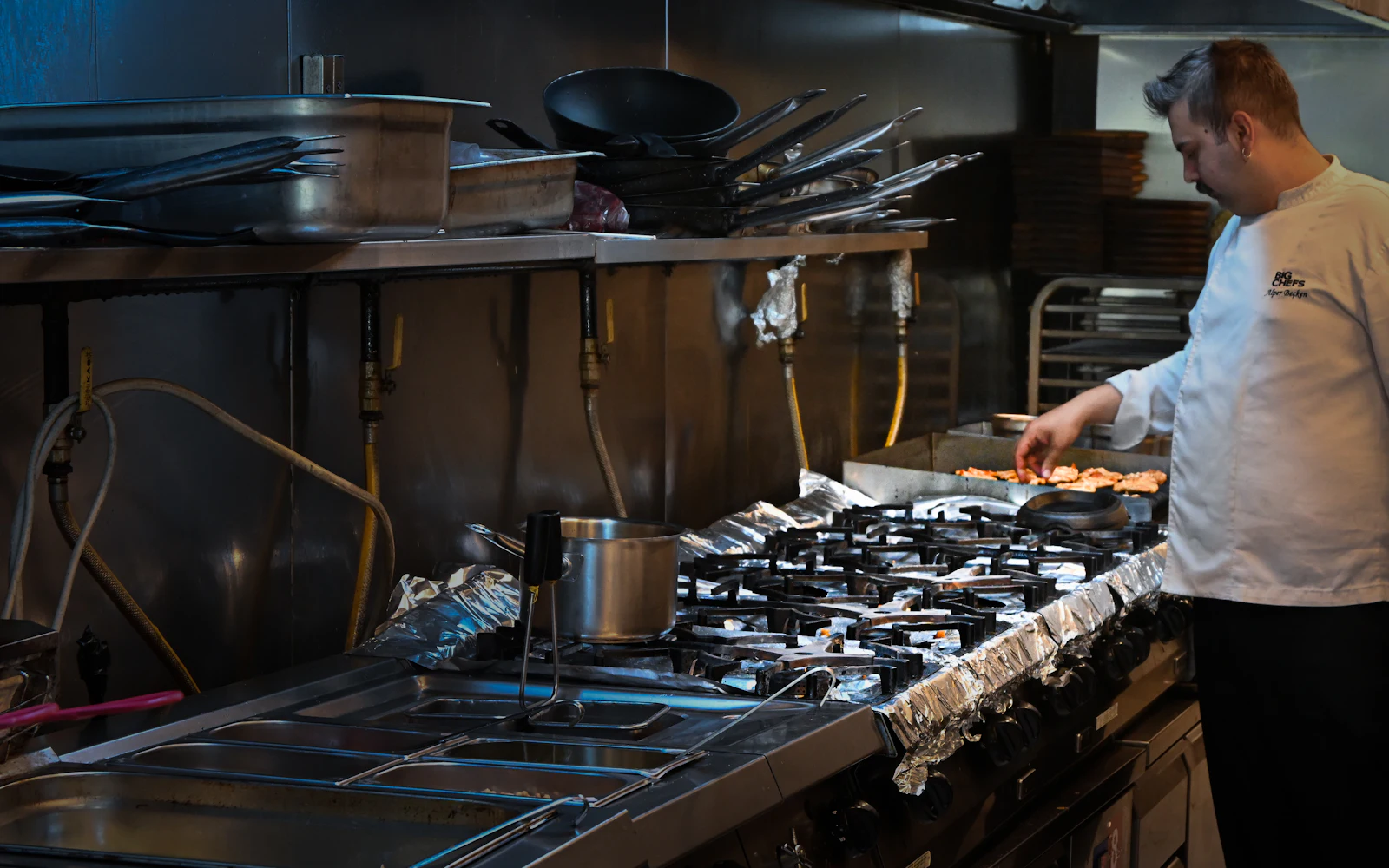
- Cleaning certificatesYour insurer or a fire officer wants paperwork. What a proper post-clean report shows, and what to do if yours is thin.
Where the duty to clean comes from
We use the standard's name only to describe it. This site is not linked to BESA. The regulations page goes further.
- Legal basis
- Whoever controls the premises has to assess fire risks and act on them under the Regulatory Reform (Fire Safety) Order 2005; grease in the extract counts. In Scotland the Fire (Scotland) Act 2005 carries the same duty.
- Cleaning interval
- BESA's TR 19® Grease sets minimums by daily cooking hours: 12 months for 2 to 6 hours, 6 months for 6 to 12, and 3 months for 12 to 16 (BESA). An insurer may ask for shorter.
- Paperwork to ask for
- A post-clean report with before and after photos, grease readings and a list of anything not reached, plus a certificate. Fire inspectors ask to see these reports (London Fire Brigade guidance).
How many cleans a year will you pay for?
Count the hours your kitchen cooks on a normal day, from the first burner on to the last one off. That number sets the interval, and the interval drives the yearly bill more than the price of any single visit. Fryers, chargrills and woks often push the interval shorter than the hours alone suggest (BESA).
Our estimate for a small kitchen starts at £450 a clean. See the price guide and estimator.
What happens on the night of the clean?
- 1
Survey
A look at the canopy, the duct route and where the access panels are, so the price covers the whole system.
- 2
Clean out of hours
Most cleans happen after the last service or before breakfast, so the kitchen loses no trading time.
- 3
Readings and photos
Grease depth is measured before and after, and each section is photographed for the report.
- 4
Report and next date
Ask for the report and certificate, a list of anything not reached, and the date the next clean falls due.
What should a good cleaning firm show you?
Plenty of firms will wipe a canopy. Fewer can open a duct run, clean it to the standard and prove it afterwards. Ask any firm you are offered for these, in writing, before you book.
See how we find a cleaner for the rest of the process.
- A listing on the Vent Hygiene Register, which you can look up yourself.
- Technicians who hold the grease hygiene technician qualification.
- A price for the whole system, canopy to outlet, not just the hood.
- Before and after grease readings and photos in the report.
- Public liability insurance, with the certificate sent before the visit.
Questions kitchen managers ask us
What does a kitchen extract cleaning company actually clean?
The whole route grease takes: the canopy and its filters, the plenum, the ductwork and the extract fan, ending where the air leaves the building. Kitchen staff wipe canopies and wash filters, but only a specialist can open and clean the duct. Our duct cleaning page covers that part.
How often does a commercial kitchen extract need cleaning?
It depends on how many hours you cook each day. BESA's minimum runs from once a year for light use to every three months for heavy use, and your insurer may set a shorter interval. The regulations page has the full table.
Will my insurer ask for proof?
Very likely. AXA, for example, expects the system to be cleaned to the industry standard from canopy to outlet and warns that missing cleans can affect cover (AXA Connect). Keep each report and certificate together.
Can the clean happen when we are closed?
Yes, and most do. Cleaning firms work nights and early mornings as a matter of routine. Tell them your service times when they survey.
Overdue for a clean, or not sure? Start with the kitchen postcode.
Get a quote